IEC voter weekend, the real story for journalists
The IEC’s latest registration weekend gave journalists two important stories to tell.
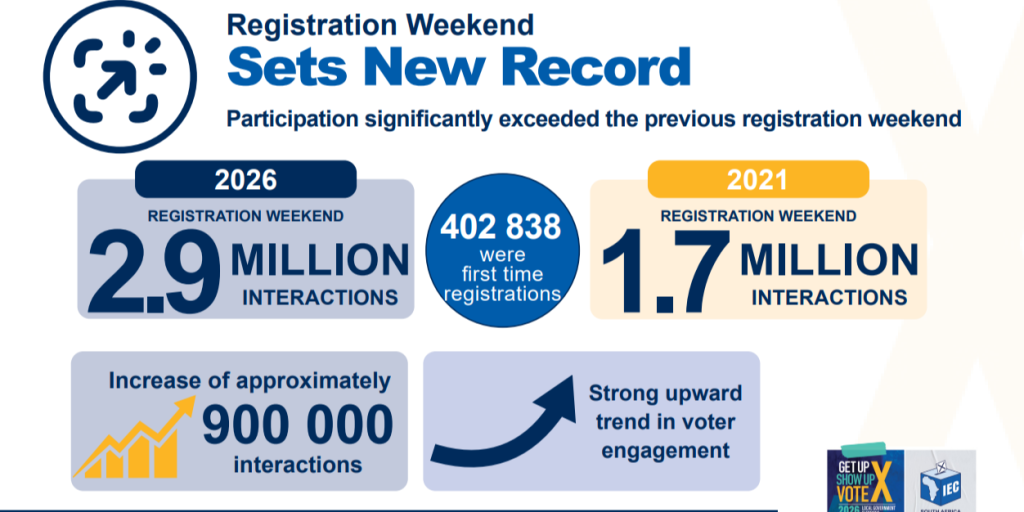
The first is the news story. South Africans responded strongly to the 20–21 June 2026 registration weekend, with close to 3 million voter interactions recorded. According to the IEC’s briefing, the voters’ roll has grown to 28.5 million registered voters, up from 27.7 million in 2024.
There were 477,174 first-time registrations, while about 2.4 million interactions came from existing voters updating or confirming their details.
The second is the numbers story. This is where journalists can go beyond the headline figure. Who registered? Who updated their details? Which provinces recorded the highest activity? What do youth registrations tell us?
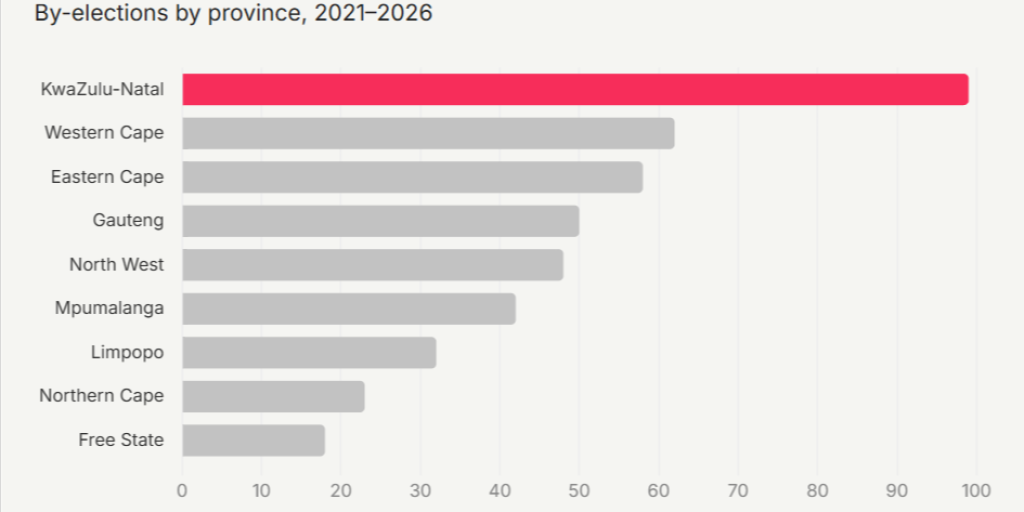
The IEC data shows that young people aged 16–29 accounted for 785,078 interactions. Young people also made up 80% of first-time registrants. KwaZulu-Natal recorded the highest provincial activity, followed by the Eastern Cape and Gauteng.
The key story is this: young people are showing up to register, but the real test is whether that registration turns into local voting power.
So how do journalists develop that story?
Start with the data, then go to the ground. Pick two or three municipalities where youth issues are visible: unemployment, water cuts, poor transport, housing, student accommodation, safety, or service delivery protests. Check IEC data to see how those areas performed, then ask young first-time voters why they registered and whether they believe local government can change anything. Or if young people didn’t register, ask them why not.
Are young people registering because they are hopeful, angry, organised, or simply responding to IEC campaigns? Do they know that in local government elections, they must vote where they are registered? Are parties speaking to them beyond slogans?
Good election reporting is not only about who wins. It starts much earlier, with who is ready to vote.
The second voter registration weekend is scheduled for 1 and 2 August, giving eligible South Africans another opportunity to register or update their details ahead of the 2026 local government elections.